How Much Weight Can Your Pallet Racking Hold
Choosing pallet racking based only on a general “kg per level” figure can lead to the wrong rack size, wasted warehouse space or an unsuitable storage layout.
The right pallet racking capacity depends on your actual project — including pallet weight, pallet size, rack height, warehouse dimensions, forklift type and required pallet positions.
Send Maxrac your basic warehouse and pallet details, and our team can help you identify the right racking configuration before you place an order.
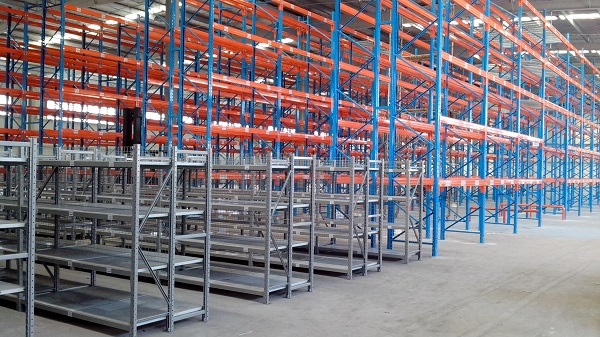
What We Need to Recommend the Right Rack Capacity
You do not need to know the final beam size or rack specifications. Start by sending the information you already have.
1. Your Heaviest Pallet
Please provide the maximum loaded pallet weight, not only the average weight.
We also need to know:
Number of pallets stored on each beam level
Total loaded height, including the pallet
Whether different SKUs have different weights
Whether loads are evenly distributed
A rack designed for 500 kg pallets may not be suitable for 1,000 kg pallets.
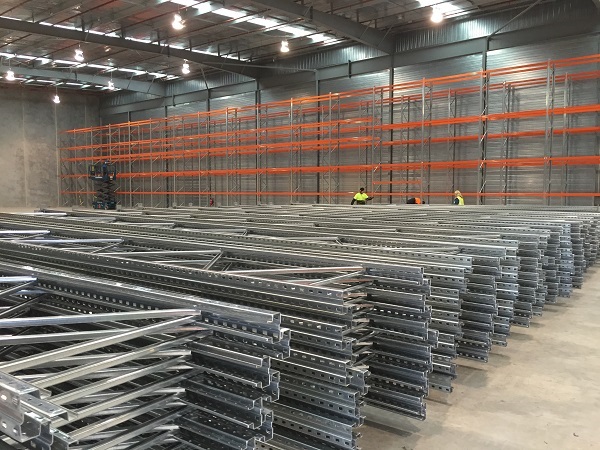
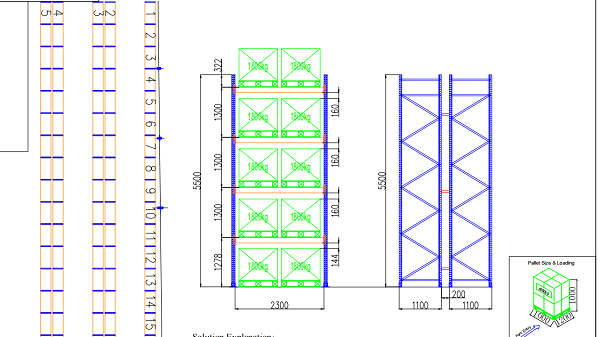
2. Pallet Dimensions
Pallet size affects rack depth, beam length, pallet orientation and storage capacity.
Please send:
Pallet length × width × loaded height
Pallet entry direction
Storage direction in the rack
Pallet type, if it is non-standard
Common pallet sizes include 1,000 × 1,200 mm and 800 × 1,200 mm Euro pallets, but the actual pallet used in your warehouse should always be confirmed.
3. Warehouse Layout
A warehouse drawing helps Maxrac develop a more accurate racking layout.
If available, send:
Warehouse length, width and clear height
Building columns and doors
Loading or dispatch areas
Fire-protection equipment
Existing restricted areas
No formal CAD drawing? A basic layout sketch, warehouse photo or hand-marked plan is still a useful starting point.
4. Forklift and Operating Conditions
Your forklift affects aisle width, rack height and pallet handling.
Please tell us:
Forklift or reach truck type
Maximum lifting height
Required aisle width, if known
Daily pallet movement frequency
Rack protection requirements, such as upright guards or end-of-aisle barriers, can also be considered based on the operating environment.
5. Storage Capacity You Need
Tell us what you want to achieve:
Required pallet positions
Number of SKUs
Storage density target
Direct-access, FIFO or LIFO requirements
Future expansion plans
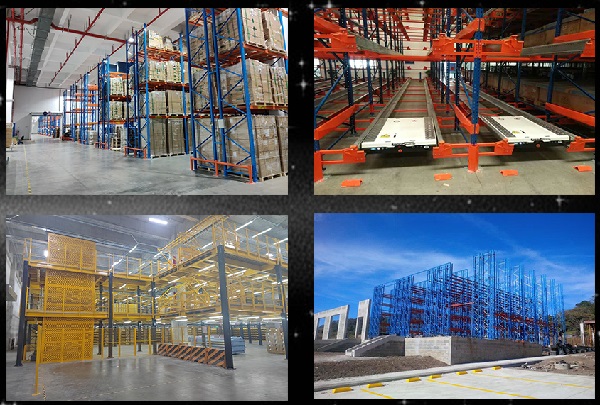
Based on your project, Maxrac can recommend selective pallet racking, drive-in racking, double-deep racking, push-back racking or radio shuttle racking.
Get a Practical Answer Before You Order
You do not need to prepare a complete technical specification before contacting Maxrac.
Just send us your:
Warehouse dimensions or layout
Pallet dimensions
Maximum pallet weight
Required pallet positions
Forklift type
Destination country
Our engineering team will review the available information, identify any key missing details and help you move toward a suitable pallet racking solution.
Each configuration is developed according to the actual project requirements, operating conditions and applicable standards, rather than relying on a one-size-fits-all rack specification.
Where required, project-specific designs can take standards and local requirements into consideration, including EN 15512, AS4084 and RMI/ANSI MH16.1.

FAQ
How much weight can pallet racking hold?
There is no single capacity for every pallet rack. The correct capacity depends on pallet weight, pallet dimensions, beam and upright configuration, rack height, storage levels, forklift operation and warehouse conditions.
What is the minimum information Maxrac needs?
Send your warehouse dimensions, pallet dimensions, maximum pallet weight and required pallet positions. A warehouse drawing and forklift information will help us prepare a more accurate recommendation.
I do not know the rack specifications. Can Maxrac still help?
Yes. You do not need to know the final rack model, beam capacity or frame size. Send the project information you have, and Maxrac can help identify the suitable configuration and guide you through the next steps.
WhatsApp Contact

Scan to add Tracey



Follow us on Wechat

Getlatest projects & news instantly
Copyright © Shanghai Maxrac Storage Equipment Engineering co.,ltd. All Rights Reserved. | Sitemap
Keywords: Steel Mezzanine Radio Shuttle Mezzanine Rack Pallet Shuttle Pallet Racking System Price Mezzanine Platform Automatic Storage Warehouse Shuttle Racks Structural Steel Mezzanine 30 Deep Teardrop Pallet Rack Pallet Racking Mezzanine warehouse pallet racking systems double deep rack



 English
 Japanese
 Русский
 Español
 Français
 عربى
عربى