In modern warehousing, selecting the right pallet racking system is critical for maximizing storage efficiency, improving workflow, and reducing operational costs. With various types of racking available, understanding their differences and applications can help businesses make informed decisions.
This guide explains the most common pallet racking systems and how to choose the right one for your specific needs.
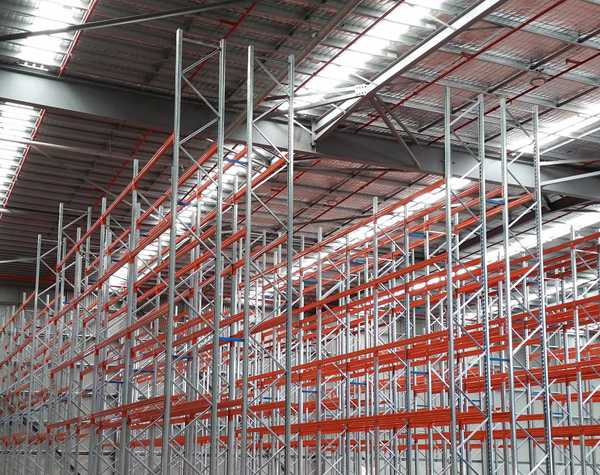
Selective pallet racking is the most widely used system worldwide due to its simplicity and accessibility.
Key Features:
Direct access to every pallet
Compatible with standard forklifts
Easy installation and adjustment
Best for:
Warehouses with a wide variety of SKUs
Low to medium storage density requirements
If your operation requires flexibility and fast picking, selective racking is usually the first choice.
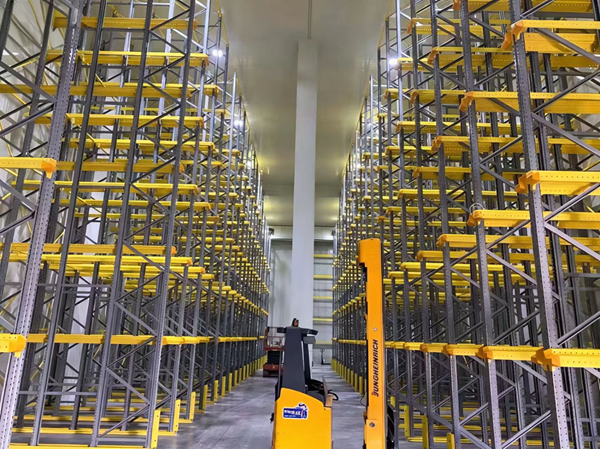
Drive-in racking systems are designed for high-density storage by allowing forklifts to enter the rack structure.
Key Features:
Maximizes warehouse space utilization
Reduces aisle requirements
Best for:
Bulk storage of the same product
FIFO or LIFO inventory strategies (depending on layout)
This system is ideal for industries such as food, beverage, and cold storage.
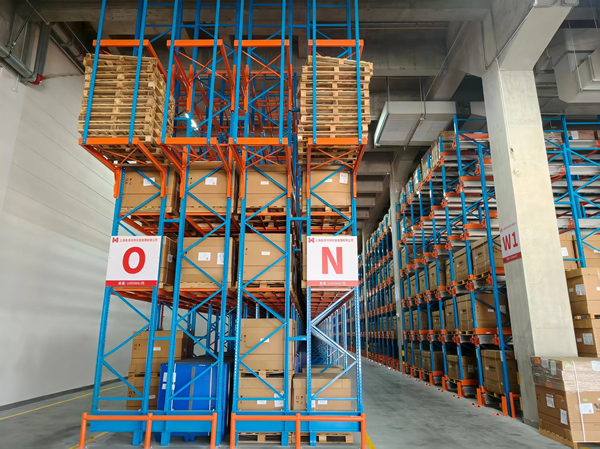
Double deep racking is a variation of selective racking, storing pallets two-deep instead of one.
Key Features:
Increased storage density compared to selective racking
Requires specialized reach trucks
Best for:
Medium SKU variety
Warehouses seeking a balance between cost and efficiency
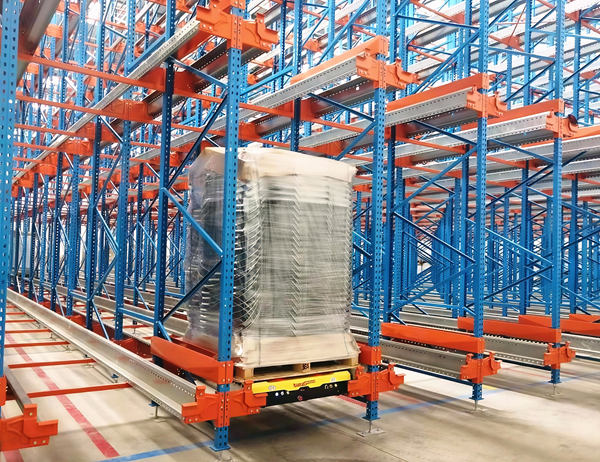
Shuttle racking uses a radio shuttle to automatically transport pallets within the rack.
Key Features:
High storage density
Reduced labor and forklift movement
Improved safety and efficiency
Best for:
High-volume storage
Cold storage and automated warehouses
This system is increasingly popular for businesses aiming to upgrade to semi-automated logistics.
Key Factors to Consider When Choosing a Racking System
When selecting a pallet racking system, consider the following:
1. Warehouse Space
Ceiling height
Floor load capacity
Layout constraints
2. Inventory Characteristics
Number of SKUs
Pallet size and weight
Turnover rate
3. Handling Equipment
Forklift type
Automation requirements
4. Budget and ROI
Initial investment
Long-term operational savings
There is no one-size-fits-all solution when it comes to pallet racking. The right system depends on your storage needs, operational flow, and future expansion plans.
Working with an experienced racking manufacturer can help you design a solution that maximizes both space and efficiency.
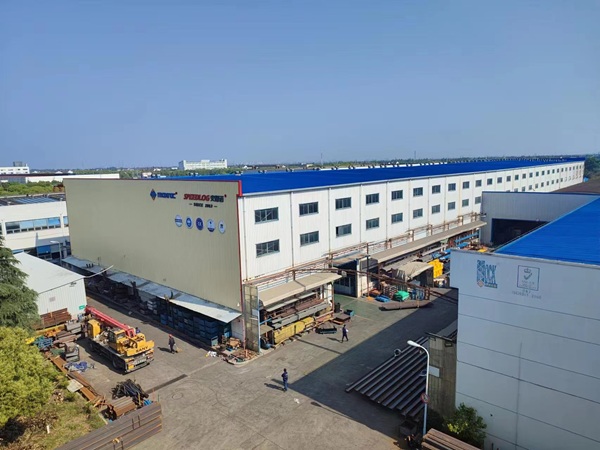
With over 20 years of experience in warehouse storage solutions, Speedlog (Maxrac) provides customized pallet racking systems including selective, drive-in, shuttle, and mezzanine systems for global clients.
Our engineering team supports layout design, load calculation, and project implementation to ensure safe and efficient storage solutions.
Looking for the right pallet racking system for your warehouse?
Contact us today for a free layout design and quotation.
WhatsApp Contact

Scan to add Tracey



Follow us on Wechat

Getlatest projects & news instantly
Copyright © Shanghai Maxrac Storage Equipment Engineering co.,ltd. All Rights Reserved. | Sitemap
Keywords: Steel Mezzanine Radio Shuttle Mezzanine Rack Pallet Shuttle Pallet Racking System Price Mezzanine Platform Automatic Storage Warehouse Shuttle Racks Structural Steel Mezzanine 30 Deep Teardrop Pallet Rack Pallet Racking Mezzanine warehouse pallet racking systems double deep rack



 English
 Japanese
 Русский
 Español
 Français
 عربى
عربى