Rack Supported Mezzanine vs Structural Steel Mezzanine: Which One Is Right for Your Warehouse?
As warehouse operations become more complex, maximizing vertical space has become a key strategy for improving storage capacity and operational efficiency.
Installing a mezzanine floor is one of the most effective ways to increase usable warehouse space without expanding the building footprint.
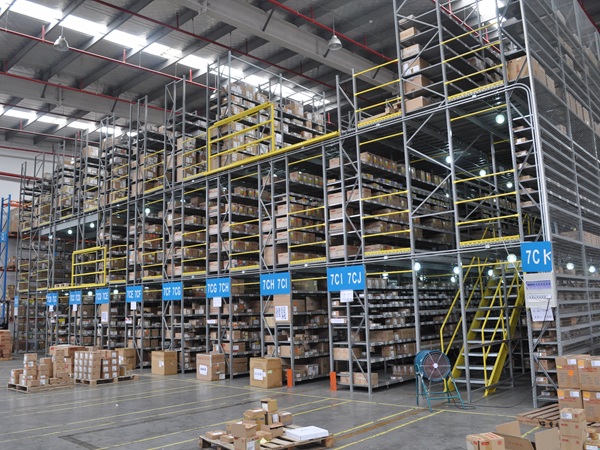
However, when planning a warehouse upgrade, many companies face an important decision:
Rack Supported Mezzanine or Structural Steel Mezzanine — which solution is right for your operation?
Both systems help businesses utilize unused vertical space, but they are designed for different applications. This guide explains the definitions, key differences, benefits, and ideal applications of each system to help you choose the most suitable warehouse mezzanine solution.
What Is a Rack Supported Mezzanine?
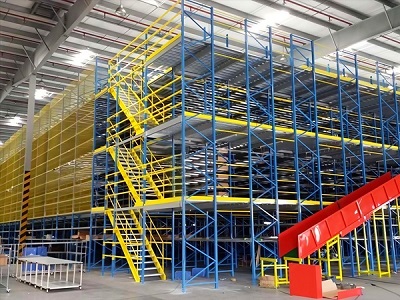
A Rack Supported Mezzanine is an integrated storage system where the pallet racking structure also supports the upper mezzanine floor.
Instead of relying on a separate structural frame, the racking uprights are designed to support the mezzanine structure,
including floor beams, joists, and decking. This creates a multi-level storage solution that combines pallet storage and elevated working space.
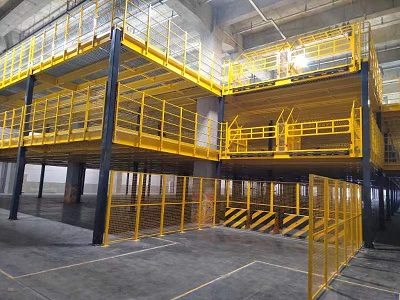
Typical layout
Lower Level: Pallet Storage
Mezzanine Floor Decking
Upper Level: Picking / Storage / Work Area
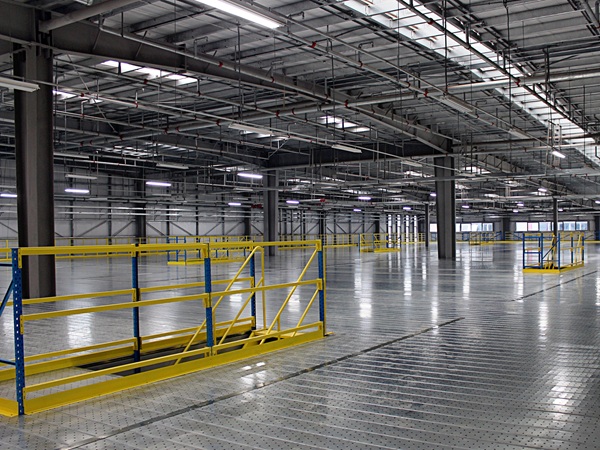
Key Benefits of Rack Supported Mezzanine
Dual Functionality
The lower level provides high-density pallet storage, while the upper level creates additional space for picking operations, carton storage, or other warehouse activities.
Improved Storage Efficiency
By utilizing vertical space above existing storage areas, businesses can significantly increase storage capacity within the same warehouse footprint.
Cost-Effective Solution
Since the racking system also serves as the support structure, a Rack Supported Mezzanine can be a more economical option for storage-focused projects.
Ideal Applications
Rack Supported Mezzanine systems are commonly used in:
1. Distribution centers
2. E-commerce warehouses
3. Spare parts warehouses
4. Manual picking operations
5. High-density storage facilities
WhatsApp Contact

Scan to add Tracey



Follow us on Wechat

Getlatest projects & news instantly
Copyright © Shanghai Maxrac Storage Equipment Engineering co.,ltd. All Rights Reserved. | Sitemap
Keywords: Steel Mezzanine Radio Shuttle Mezzanine Rack Pallet Shuttle Pallet Racking System Price Mezzanine Platform Automatic Storage Warehouse Shuttle Racks Structural Steel Mezzanine 30 Deep Teardrop Pallet Rack Pallet Racking Mezzanine warehouse pallet racking systems double deep rack



 English
 Japanese
 Русский
 Español
 Français
 عربى
عربى