Heavy Equipment Storage Guide: Why is Medium Duty Cantilever Racking More Suitable for Auto Parts?
Apr. 08, 2026
Efficient storage is one of the biggest challenges in the automotive and heavy equipment industries. Warehouses handling auto parts, metal components, pipes, long materials, and irregular products often struggle with limited space, poor accessibility, and inventory damage caused by improper storage systems.
Traditional pallet racking is effective for palletized goods, but it is not always the best solution for long, bulky, or awkward automotive components. This is where Medium Duty Cantilever Racking becomes an ideal warehouse storage solution.
What Is Medium Duty Cantilever Racking?
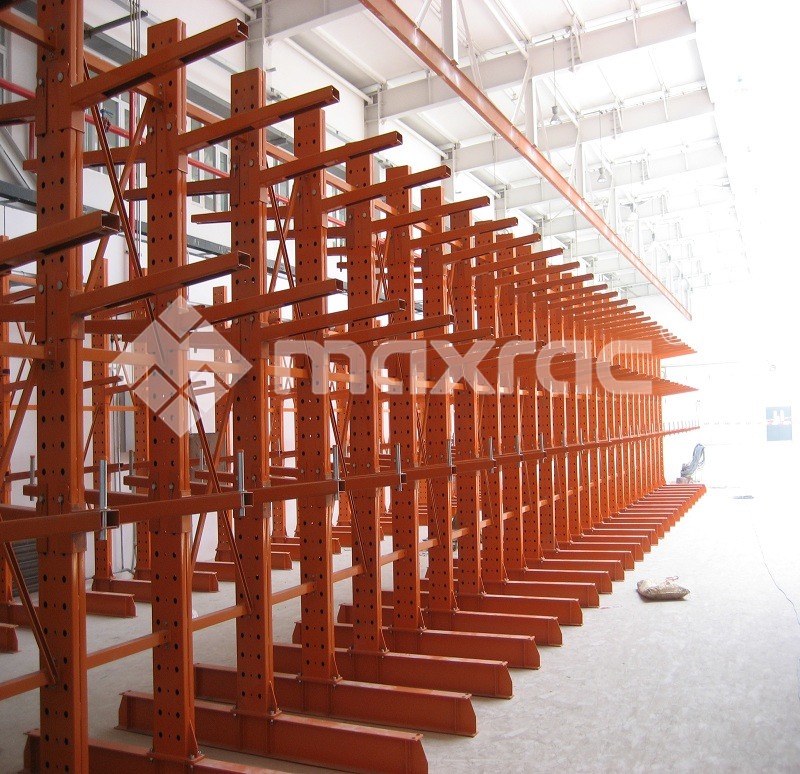
Medium Duty Cantilever Racking is a specialized warehouse storage system designed for storing long, bulky, and irregularly shaped items.
Unlike traditional pallet racks, cantilever racks do not have front vertical columns blocking access. Instead, they use:
● Upright columns
● Horizontal cantilever arms
● Base structures
● Bracing systems
This open-front design allows forklifts and workers to load and unload materials quickly without obstruction.
Medium Duty Cantilever Racking is specifically designed for medium-load applications where products are heavier than standard shelving loads but do not require the extreme capacity of heavy-duty structural cantilever systems.
Why Auto Parts Require Specialized Storage Systems?
Auto parts warehouses often store products with highly irregular dimensions and weights, including:
● Exhaust pipes
● Metal tubes
● Car bumpers
● Steel bars
● Axles
● Engine components
● Transmission shafts
● Long automotive frames
● Tires and rims
● Spare parts containers
Traditional shelving systems frequently create several operational problems:
● Difficult accessibility
● Product damage
● Poor inventory visibility
● Wasted vertical space
● Unsafe stacking conditions
Many automotive parts are long, heavy, or awkwardly shaped, making them unsuitable for standard pallet racks.
This is why many automotive manufacturers and distribution centers prefer Medium Duty Cantilever Racking systems.
Why Medium Duty Cantilever Racking Is More Suitable for Auto Parts?
1. Open Front Design Improves Accessibility
One of the biggest advantages of Medium Duty Cantilever Racking is its open-front structure.
Because there are no front columns blocking access, warehouse operators can easily:
● Load long materials
● Retrieve irregular components
● Use forklifts efficiently
● Reduce handling time
This is especially important for automotive warehouses where workers frequently handle long or oversized parts.
Compared with traditional pallet racks, cantilever systems significantly improve operational efficiency.
2. Better Storage for Long and Irregular Components
Auto parts are rarely uniform in shape.
Many components such as:
● Exhaust systems
● Pipes
● Metal profiles
● Drive shafts
● Vehicle frames
cannot be safely stored on standard shelving.
Medium Duty Cantilever Racking supports these products along their full length, reducing bending, deformation, and storage damage.
This makes it highly suitable for automotive component storage.
3. Maximizes Vertical Warehouse Space
Warehouse space is expensive.
Medium Duty Cantilever Racking helps businesses maximize vertical storage capacity while maintaining easy access to inventory.
Because arm levels are adjustable, operators can customize rack spacing according to product dimensions.
This creates:
● Higher storage density
● Better organization
● Improved inventory management
● Reduced floor congestion
For automotive distribution centers, efficient vertical storage is critical for reducing operational costs.
4. Flexible Arm Adjustment for Different Auto Parts
Automotive warehouses often store products with varying dimensions.
Cantilever racking arms can be adjusted vertically to fit:
● Small metal components
● Medium-sized parts
● Long vehicle accessories
● Bulky equipment
This flexibility allows warehouses to adapt quickly when inventory changes.
Unlike fixed shelving systems, Medium Duty Cantilever Racking can support dynamic warehouse operations.
5. Reduces Product Damage
Improper stacking is one of the most common causes of inventory damage in automotive warehouses.
Cantilever racking systems help prevent:
● Product bending
● Surface scratches
● Structural deformation
● Inventory collapse
By providing organized and separated storage levels, products remain safer and easier to manage.
This is particularly important for expensive automotive parts with sensitive surfaces or precision structures.
Which One Is Better for Automotive Warehouses?
Many warehouse managers wonder whether they should choose medium-duty or heavy-duty cantilever racks.
The answer depends on:
● Product weight
● Storage frequency
● Warehouse layout
● Budget
● Handling equipment
Below is a simple comparison:
Feature
Medium Duty Cantilever Racking
Heavy Duty Cantilever Racking
Load Capacity
Medium-weight products
Extremely heavy loads
Best For
Auto parts, pipes, components
Steel beams, industrial machinery
Cost
More economical
Higher investment
Installation
Easier and faster
More complex
Flexibility
Highly adjustable
More rigid
Warehouse Use
Automotive & logistics
Heavy industry
For most automotive spare parts warehouses, Medium Duty Cantilever Racking offers the best balance between cost, flexibility, and storage performance.
Applications of Medium Duty Cantilever Racking in Automotive Warehouses
Spare Parts Storage:Cantilever racks are widely used for organizing spare parts with varying lengths and shapes.
Tire and Rim Storage:The open-arm structure provides easy access to tires and wheel assemblies.
Pipe and Tube Storage:
Automotive production facilities commonly use cantilever systems for storing:
● Steel tubing
● Aluminum pipes
● Hydraulic tubes
Metal Bar and Frame Storage:Long vehicle frame components can be stored safely without floor stacking.
Exhaust System Storage:Exhaust pipes and long metal assemblies are ideal products for cantilever storage systems.
Key Benefits of Medium Duty Cantilever Racking
Improved Warehouse Safety
Properly organized storage systems reduce workplace accidents caused by unstable stacking.
Cantilever racks provide:
● Stable load support
● Organized storage lanes
● Better forklift operation space
This creates a safer warehouse environment.
Faster Inventory Handling
Open access significantly improves picking and loading speed.
Warehouse operators can quickly identify and retrieve products without moving unnecessary inventory.
This improves:
● Warehouse productivity
● Order fulfillment speed
● Inventory accuracy
Lower Warehouse Operating Costs
By improving storage density and operational efficiency, businesses can reduce:
● Warehouse expansion costs
● Labor costs
● Product damage losses
● Inventory handling time
This leads to better long-term ROI.
Important Factors When Choosing Medium Duty Cantilever Racking
Load Capacity:
Always calculate:
● Weight per arm
● Total rack load
● Product dimensions
Proper load calculations are essential for warehouse safety.
Arm Length:Arm length should match the dimensions of stored auto parts.Longer arms provide better support for oversized components.
Rack Height:Warehouse ceiling height determines maximum storage capacity. Higher systems improve vertical storage efficiency.
Single-Sided or Double-Sided Design:Single-sided racks are usually installed against walls. Double-sided systems maximize storage capacity in open warehouse layouts.
Indoor or Outdoor Use:Galvanized cantilever systems are suitable for outdoor automotive storage yards. Powder-coated systems are commonly used indoors.
Best Practices for Auto Parts Storage Using Cantilever Racking
To maximize storage performance, automotive warehouses should follow several best practices.
Organize Inventory by Length and Weight:Store similar-sized products together for easier handling.
Use Proper Forklift Equipment:Forklifts should match aisle width and rack height requirements.
Conduct Regular Rack Inspections:
Routine inspections help identify:
● Damaged arms
● Loose anchors
● Structural issues
This improves warehouse safety.
Avoid Overloading Rack Arms:
Always follow manufacturer load capacity guidelines. Overloaded cantilever systems can become dangerous.
Future Trends in Automotive Warehouse Storage
As automotive warehouses become more automated, cantilever racking systems continue evolving.
Modern storage systems increasingly integrate with:
● Warehouse Management Systems (WMS)
● Barcode tracking
● Automated picking systems
● Smart inventory monitoring
Medium Duty Cantilever Racking remains highly compatible with modern warehouse operations due to its flexibility and scalability.
Conclusion
For automotive warehouses handling long, bulky, and irregular components, Medium Duty Cantilever Racking offers one of the most efficient and cost-effective storage solutions available.
Its open-front design, flexible arm configuration, and superior accessibility make it highly suitable for storing auto parts, pipes, metal profiles, and heavy equipment components.
Compared with traditional shelving or pallet racks, Medium Duty Cantilever Racking improves warehouse organization, reduces product damage, increases storage density, and enhances operational efficiency.
As warehouse operations continue to demand higher efficiency and better space utilization, Medium Duty Cantilever Racking will remain an essential solution for automotive storage and heavy equipment management.